There are no shortage of unique places to stay in Japan. There are so many though it may be overwhelming, so here’s a breakdown of a few.
Whether you are looking for calm and serene or to be in the center of the night life in Roppongi you can find something within your budget in spite of the tourist tax price raise. Fear not, the price hike does not make Japan unaffordable. The most important things I consider when choosing a place to stay is: How close is it to a train station. I rarely want to be more than 7 minutes from one. After a long day of walking in Japan (and you will be doing a lot!) the last thing you want is to walk even further just to get home at the end of the day.
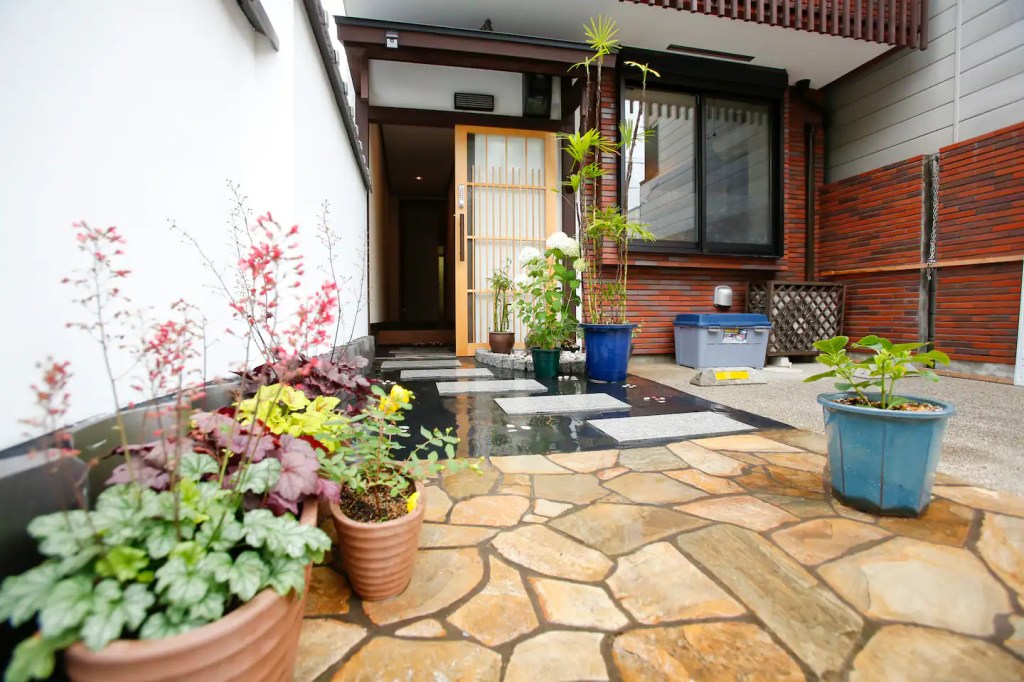
Minpaku (民泊) – This is the legal term for private lodging, often used for short-term stays like Airbnb-style rentals.
Gaijin House (外国人ハウス) – Informal term for shared housing aimed at foreigners, usually furnished, flexible, and with shorter contracts.
Share House (シェアハウス) – Similar to gaijin houses, these are co-living spaces where you rent a private room but share common areas. There are good and bad just like with Capsule hotels. Best to do research on these for your own needs. But usually very cheap. Experience tends to rely on
Monthly Mansion (マンスリーマンション) – Fully furnished apartments available for short-term stays (weeks to months). Despite the name, they’re not luxury mansions—just convenient apartments.
Leopalace (レオパレス) – A well-known chain of furnished apartments popular among students and foreigners, usually rented short to medium term.
Rental Apartments (賃貸アパート / Chintai Apāto) – Standard long-term rental apartments. These usually require key money, deposits, guarantors, and contracts in Japanese, so they can be trickier for foreigners.
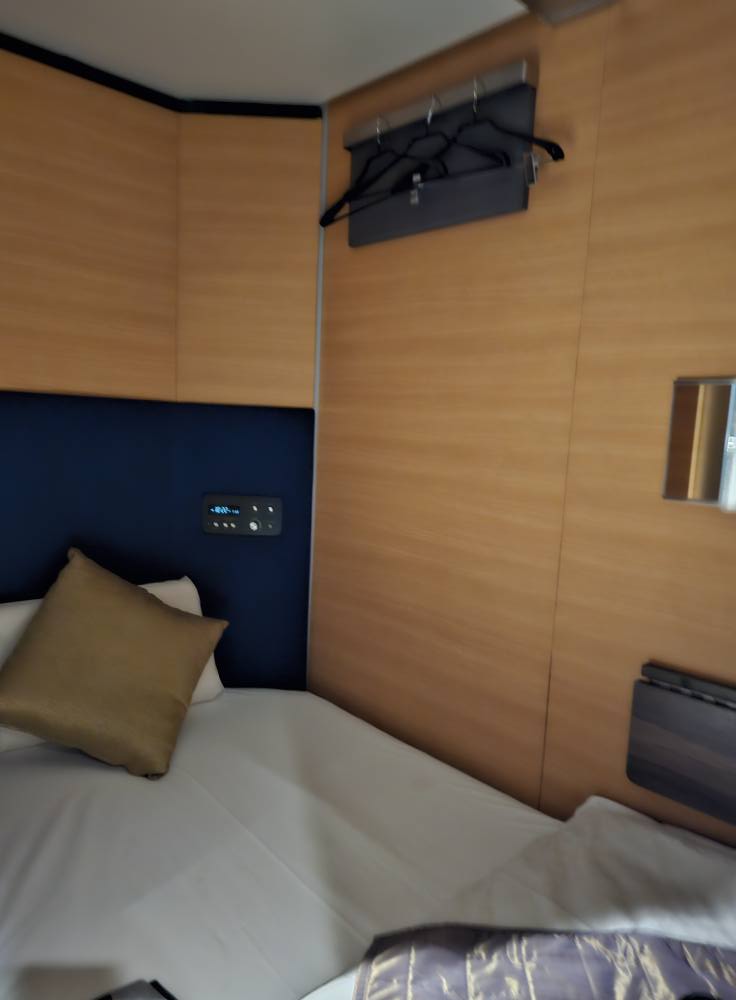
Capsule Hotels (カプセルホテル) -Popular and affordable hotel options for solo travelers. A great option to travel Japan as there are many all over Japan with different features offered! Most are quite comfortable for one person. A group can stay but each would need their own room.
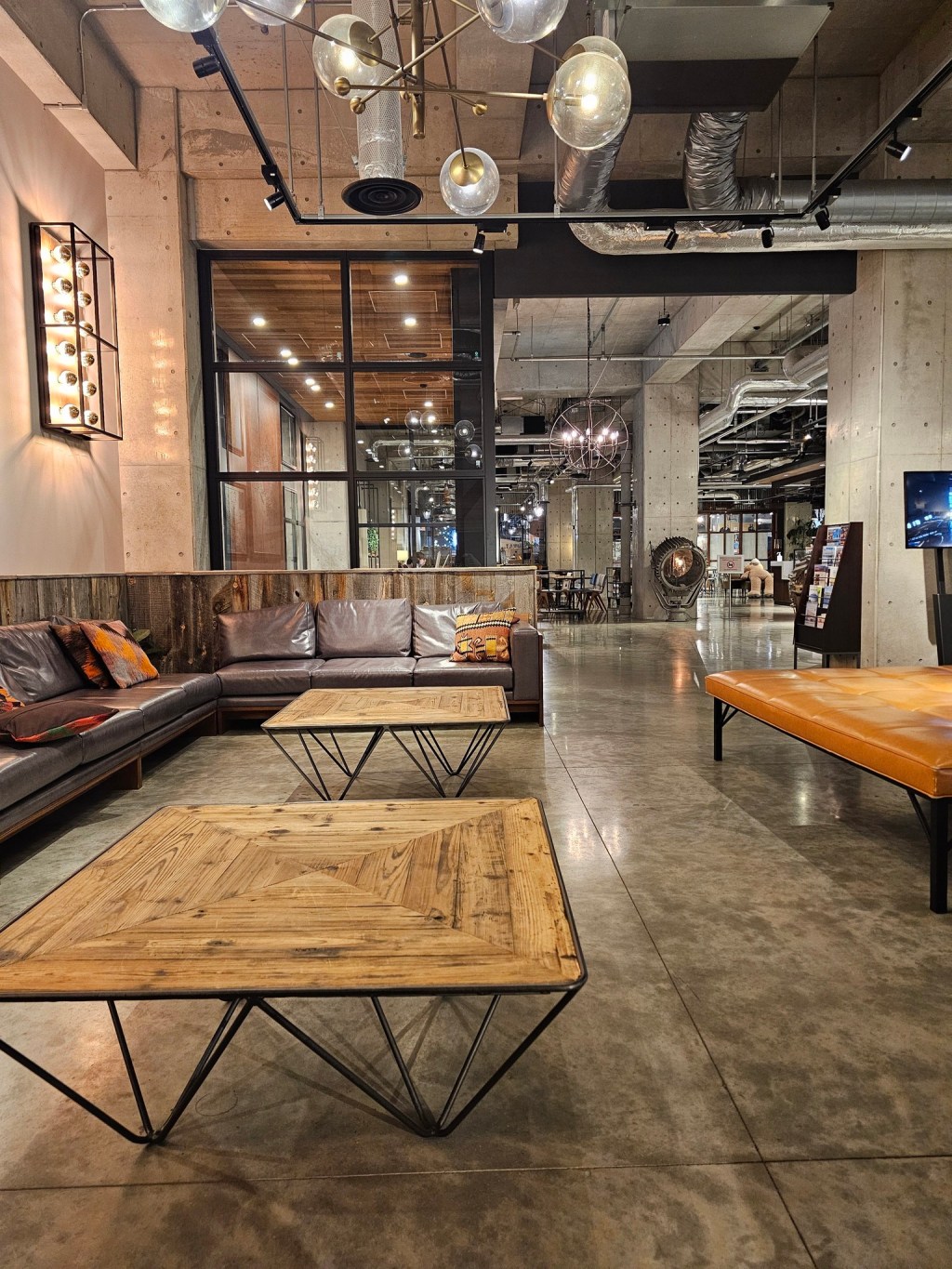
Hotels (ホテル) – There are also a few different verities of hotels.
Business Hotels (ビジネスホテル) – offer an alternative to capsule hotel life. Small room, basic needs met. No frills kind of place to rest your head at night. Usually very close to train stations. That’s a must when choosing an option.
Ryokan (旅館) – Traditional Japanese Inns that offer a peak into the past. Usually offer spacious rooms for a bit more money than your traditional hotel. But the amenities you get might just make it all worth your money. Usually they come with an onsen (bath house), a traditional dinner set up in your room or in a shared space, and beautiful scenery. They are typically not located within cities so choose your destination wisely.
Minshuku (民宿) – Family-Run Guesthouses these are unique to Japan. Often are rural so you’ll see plenty of the Japanese countryside, but meals are usually included as is a family lifestyle experience.
Tips for Choosing a Japanese Hotel
- Location: Near a train station for convenience.
- Budget: Business hotels are cheapest; ryokan and luxury hotels cost more.
- Experience: Ryokan or minshuku for culture, capsule or business hotels for practicality.
- Amenities: Check if Wi-Fi, breakfast, or private baths are included.


 Chasing Cherry Blossoms: A visual travel diary
Leave a comment